Mandala Decorative Background Pattern: A Versatile Design Asset for Creative and Professional Workflows
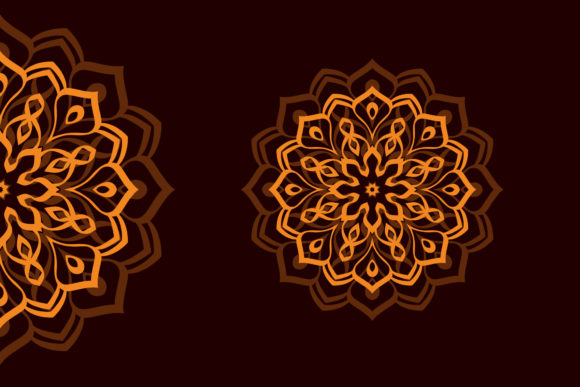
The Mandala Decorative Background Pattern is a visually striking design element that blends intricate symmetry with spiritual symbolism. This pattern, rooted in ancient traditions, has found its way into modern creative workflows as a powerful tool for enhancing visual content. Whether you're designing marketing materials, digital assets, or personal projects, the Mandala Decorative Background Pattern offers a unique aesthetic that can elevate your work.
Understanding the Mandala Decorative Background Pattern
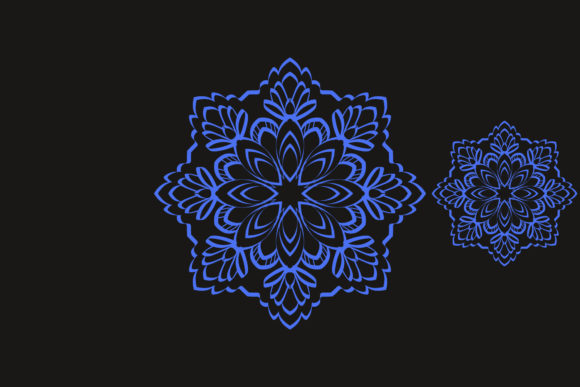
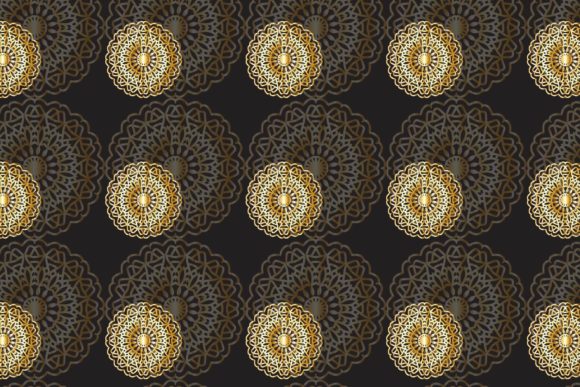
A Mandala is a circular design that represents harmony, balance, and unity. When used as a decorative background pattern, it adds depth and visual interest to any project. The Mandala Decorative Background Pattern is not just an artistic choice; it's a functional design asset that can be adapted to various use cases across different industries.
This pattern comes in multiple formats—AI, EPS, SVG, JPG, and PNG—each tailored for specific editing and application needs. The canvas size of 1920px x 1280px ensures compatibility with high-resolution displays and print media, making it suitable for both digital and physical outputs.
Integration into Creative and Professional Workflows
Incorporating the Mandala Decorative Background Pattern into your workflow requires careful consideration of its purpose and placement. Here’s how it can be used effectively at different stages of a project:
- Pre-Project Planning: Use the Mandala pattern as inspiration during brainstorming sessions. Its intricate details can spark creativity and help visualize the final output before starting the actual design process.
- During Design Execution: Apply the Mandala pattern as a background in graphic design software like Adobe Illustrator or Photoshop. It works well as a base layer, allowing other elements to stand out while adding a sense of depth and complexity.
- Post-Production: After completing the main design, consider using the Mandala pattern as a subtle overlay or watermark. This can add a touch of elegance without overwhelming the primary content.
Compatibility and Usability Across Tools and Platforms
The versatility of the Mandala Decorative Background Pattern lies in its compatibility with various design tools and platforms. The AI file format allows for vector-based editing, which is ideal for logos, illustrations, and scalable graphics. The EPS format is perfect for print media, ensuring crisp lines and high-quality output.
The SVG format makes it easy to integrate the pattern into web design, mobile apps, and interactive media. For those who prefer raster-based editing, the JPG and PNG files offer flexibility in terms of transparency and color depth. This multi-format approach ensures that the Mandala Decorative Background Pattern can be seamlessly integrated into almost any design environment.
Practical Implementation Tips and Workflow Examples
To maximize the utility of the Mandala Decorative Background Pattern, consider the following tips:
- Layer Management: When using the pattern in complex designs, place it on a separate layer to maintain control over opacity, blending modes, and visibility.
- Color Matching: Ensure the Mandala pattern complements the color scheme of your project. Use tools like Adobe Color to find harmonious color combinations that align with the overall design theme.
- Resizing and Scaling: Always scale the pattern proportionally to avoid distortion. Vector formats (AI, EPS, SVG) are best for resizing without losing quality.
- Consistency: Maintain consistency in the use of the Mandala pattern across all design elements to create a cohesive look and feel.
For example, a marketer creating a social media campaign might use the Mandala pattern as a background for promotional banners. By applying the pattern in a subtle tone, they can draw attention to key messages while maintaining a visually appealing layout.
Enhancing Productivity and Efficiency
One of the key advantages of using the Mandala Decorative Background Pattern is its ability to streamline the design process. Instead of creating a custom pattern from scratch, designers can leverage this pre-made asset to save time and effort. This is particularly beneficial for professionals who need to deliver high-quality visuals quickly.
Additionally, the ease of editing and reusing the Mandala pattern across multiple projects enhances efficiency. Whether you're working on a website redesign, packaging concept, or presentation deck, having a reliable and adaptable background pattern can significantly reduce the time spent on repetitive tasks.
Long-Term Use and Quality Control
When considering long-term use, it's important to ensure that the Mandala Decorative Background Pattern remains relevant and effective over time. Regularly reviewing and updating design assets helps maintain a fresh and professional appearance. However, due to the timeless nature of mandalas, this pattern is likely to remain a valuable resource for years to come.
Quality control should also be a priority when using the Mandala pattern. Always verify that the resolution and format match the intended use. For print projects, check that the pattern is set to the correct DPI (dots per inch) to ensure clarity and sharpness.
Organizing your design assets in a structured manner will also contribute to long-term efficiency. Create folders or tags based on project type, format, and usage to make it easier to locate and apply the Mandala Decorative Background Pattern when needed.
Conclusion
The Mandala Decorative Background Pattern is more than just an aesthetic addition—it's a functional design asset that can enhance the visual impact of your work. With its adaptability, compatibility, and ease of use, it fits seamlessly into a wide range of creative and professional workflows. Whether you're a designer, marketer, educator, or entrepreneur, integrating this pattern into your projects can lead to more engaging and visually compelling results.