Flower Pattern for Textile Design: A Comprehensive Guide to Versatile Decorative Elements
In the realm of creative production, few assets offer as much versatility as a high-quality Flower Pattern for Textile Design. While often associated primarily with fashion and apparel, these intricate designs serve as foundational elements for a wide array of decorative applications. Whether you are a graphic designer preparing assets for a large-scale print run or a small business owner looking to customize packaging, understanding the nuances of this specific design category is crucial. The core value lies not just in the aesthetic appeal of the floral motifs, but in the technical flexibility that allows these patterns to adapt seamlessly across different mediums.
This article explores the distinct characteristics of flower pattern designs intended for textile and general decorative use. We will examine how these assets differ from standard illustrations, evaluate their practical benefits, and discuss scenarios where they might be the optimal choice versus alternative design solutions. By focusing on features like full editability and vector formats, we aim to provide a clear framework for making informed decisions about digital resources.
Defining the Scope: What Makes This Distinct?
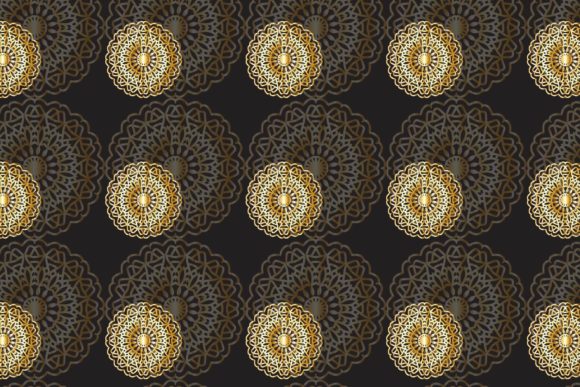
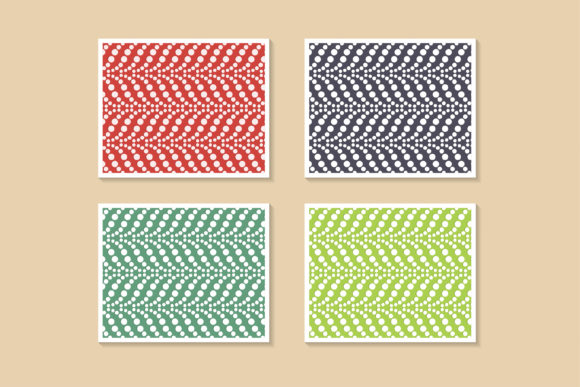
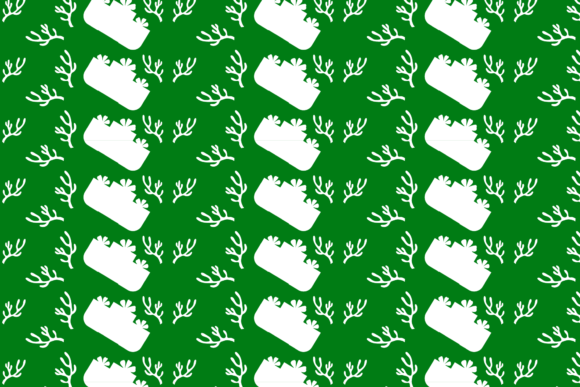
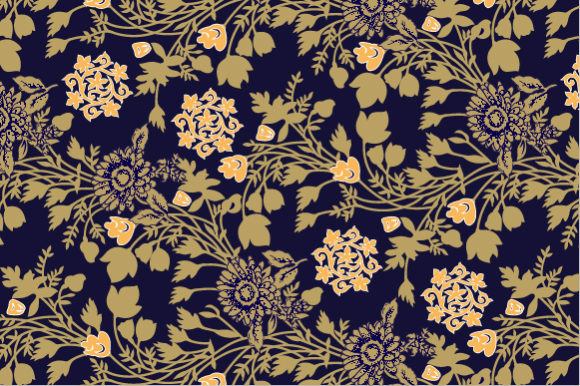
A Flower Pattern for Textile Design is more than a simple image of a bloom; it is a repeating, scalable arrangement designed specifically to cover surfaces effectively. Unlike a standalone illustration meant for a poster or a logo, a textile pattern must account for continuity, scale, and texture. The primary distinction lies in its construction. These designs are engineered to tile without visible seams, creating an immersive background that can wrap around garments, drape over furniture, or line gift boxes.
The definition extends beyond the visual motif to include the technical delivery. High-standard resources in this category typically come in fully editable formats. This means that the color palette is not locked; designers can modify hues to match brand guidelines or seasonal trends instantly. Furthermore, the inclusion of effect layers allows for adjustments in contrast, saturation, and depth, ensuring the pattern remains crisp whether printed on a delicate silk scarf or a sturdy cotton tote bag. This level of control separates professional-grade assets from generic clip art, offering a level of customization essential for modern branding.
Technical Advantages: Vector vs. Raster Formats
One of the most significant factors when evaluating a flower pattern is the file format provided. The specification of Vector File Formats (EPS, Ai, SVG) represents a critical advantage for any project requiring precision. Vector graphics are mathematically defined, meaning they can be scaled infinitely without losing resolution. If you need to print a flower pattern on a billboard or shrink it down for a business card, the lines remain sharp. This contrasts sharply with raster images, which become pixelated when enlarged.
Additionally, the availability of a PNG Transparent File Uses Texture option adds another layer of utility. While vectors handle the structure, PNG files with transparency allow for easier integration into existing layouts where the background needs to be removed. The mention of "texture" in this context suggests that the design includes simulated fabric grain or paper grain effects, adding realism that flat colors cannot achieve. This combination ensures that the final output looks authentic, mimicking the tactile feel of real materials rather than appearing as a flat digital overlay.
Evaluating Use Cases and Applications
The versatility of these designs makes them suitable for a broad spectrum of industries. However, identifying the right application helps clarify why one might choose a specialized textile pattern over a generic decorative element. The primary use case, as implied by the name, is Textile Design. In fashion, the ability to adjust colors and effects is paramount. A designer might start with a blue floral base and shift it to a warm terracotta tone to fit an autumn collection. Without editable layers, this process would require recreating the entire design from scratch.
Beyond clothing, these patterns excel in Paper Gift applications. Custom wrapping paper, tissue paper, and product tags benefit from the seamless nature of the pattern. When applied to paper goods, the texture features ensure that the design does not look out of place against the natural fibers of the material. Moreover, the capability to apply the pattern to Any kind of Background or Illustration expands its utility significantly. It can serve as a subtle backdrop for a wedding invitation, a decorative border for a book cover, or a thematic element in digital marketing materials.
Comparison with Standard Illustrations
When comparing a dedicated Flower Pattern for Textile Design to a standard stock illustration, several tradeoffs emerge. Standard illustrations are often singular, non-repeating images. They are excellent for focal points but inefficient for covering large surface areas. Using a single flower image requires manual tiling, which often results in awkward gaps or repetitive visual loops that break the illusion of a continuous design.
Conversely, a purpose-built pattern eliminates the need for manual repetition. It is pre-engineered to flow naturally. The tradeoff is specificity; a standard illustration might offer a unique, one-off artistic style that a mass-produced pattern cannot replicate. However, for projects requiring coverage—such as upholstery, fabric printing, or bulk packaging—the efficiency and consistency of a dedicated pattern far outweigh the uniqueness of a single illustration. The decision ultimately hinges on the scale of the project and the need for uniformity.
Navigating Limitations and Decision Factors
While the benefits of using a Flower Pattern for Textile Design are substantial, it is important to acknowledge limitations to ensure realistic expectations. One common misconception is that every asset will function identically across all printers. While vector files ensure scalability, the final result depends heavily on the printing technology used. For instance, screen printing may require simplified color separations, whereas digital printing can handle complex gradients and textures found in high-resolution PNGs.
Another factor to consider is the complexity of the editing process. While the files are described as "Fully Editable," this assumes the user has access to software capable of handling EPS, AI, or SVG files, such as Adobe Illustrator or compatible alternatives. Users relying solely on basic image editors may find the textural and vector layers challenging to manipulate. In such cases, the PNG Transparent File serves as a vital fallback, offering a ready-to-use image even if advanced vector editing is not possible.
It is also worth noting that mockup previews, while helpful for visualization, are for presentation purposes only. The actual pattern will interact differently with various materials. A pattern that looks vibrant on a digital screen might appear muted on matte fabric or glossy paper. Therefore, the evaluation process should always involve testing a physical sample before committing to a large production run. This step mitigates the risk of color shifts and texture mismatches that can occur during the transition from digital to physical.
Making the Right Choice for Your Project
Deciding whether to invest in a specialized flower pattern involves weighing the specific needs of your project against the available resources. If your goal is to create a cohesive brand identity across multiple products—from clothing to packaging—a Flower Pattern for Textile Design offers a unified solution. The ability to tweak colors and effects ensures that the core design remains consistent while adapting to different contexts.
However, if your project requires a highly specific, narrative-driven illustration that tells a unique story without repetition, a custom-drawn single image might be a better fit. Similarly, for quick, low-budget social media graphics where vector editing is unnecessary, a standard JPEG or PNG might suffice. The key is to align the tool with the task. The comprehensive feature set of editable vectors and textured transparent files is ideal for professional applications where quality and adaptability are non-negotiable.
Final Considerations on Versatility
The true power of a well-crafted pattern lies in its adaptability. Whether used as a background for a digital illustration or as the primary texture for a fabric roll, the design serves as a flexible foundation. The inclusion of Decorative Design Elements within the pattern allows it to enhance other content without overpowering it. This balance is essential for effective design, ensuring that the floral motif complements the message rather than distracting from it.
In conclusion, selecting a Flower Pattern for Textile Design is a strategic decision that impacts the quality, cost, and flexibility of your final output. By prioritizing assets with full editability, vector compatibility, and texture capabilities, creators can ensure their work stands up to the demands of modern manufacturing and design. As you explore options, focus on the technical specifications that support your workflow, keeping in mind that the best resource is the one that offers the most freedom to innovate while maintaining professional standards.