Mandala Ornament Decorative Drawn Design: A Versatile Tool for Creative Expression
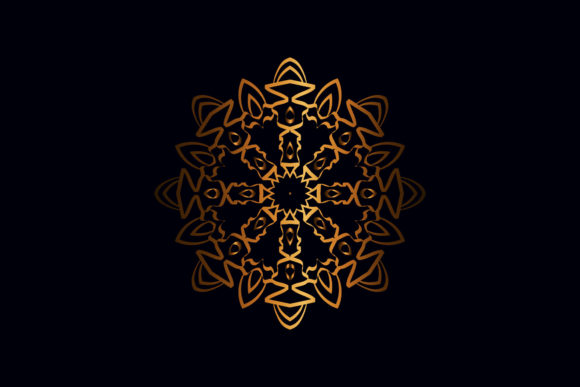
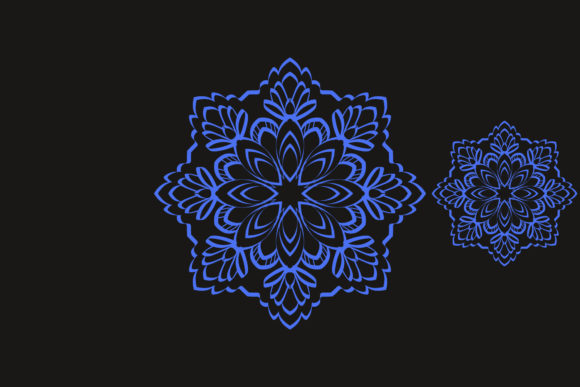
Mandala Ornament Decorative Drawn Design is a unique blend of traditional artistry and modern digital design, offering a rich visual language that appeals to a wide range of creative professionals and hobbyists. These designs are rooted in the intricate patterns and symmetrical forms of mandalas, which have been used for centuries in spiritual and decorative contexts across various cultures. The term "Mandala Ornament Decorative Drawn Design" refers to both the artistic concept and the digital files that can be used for a variety of applications, from graphic design to crafting.
What makes Mandala Ornament Decorative Drawn Design distinct is its balance between cultural significance and adaptability. Unlike purely decorative elements, these designs often carry symbolic meaning, making them not only visually appealing but also deeply meaningful. Whether you're looking to incorporate them into your artwork, home decor, or commercial projects, understanding the nuances of this design style can help you make more informed decisions about its use.
Understanding the Characteristics of Mandala Ornament Decorative Drawn Design
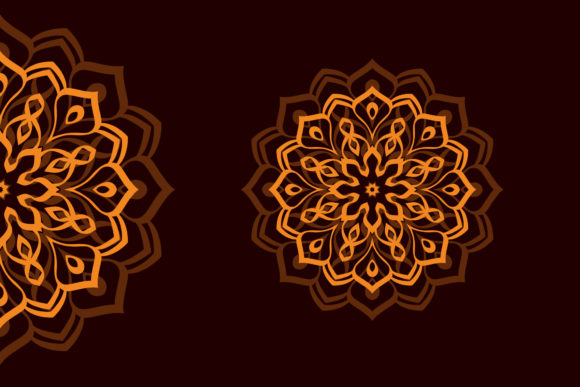
The essence of Mandala Ornament Decorative Drawn Design lies in its symmetry and repetition. Mandalas are traditionally circular and feature radial balance, with patterns radiating out from a central point. This structure allows for endless variations while maintaining a sense of harmony and order. When applied to ornamental design, these characteristics translate into visually striking compositions that can be customized to suit different needs.
One of the key advantages of Mandala Ornament Decorative Drawn Design is its versatility. It can be scaled up or down, modified with color, and adapted to fit various formats and mediums. This flexibility makes it an excellent choice for designers who need to create cohesive visuals across multiple platforms.
Comparing Mandala Ornament Decorative Drawn Design with Other Styles
When comparing Mandala Ornament Decorative Drawn Design with other decorative styles, such as geometric patterns or floral motifs, it's important to consider the level of detail and the intended application. While geometric patterns may offer a more minimalistic approach, mandalas provide a more complex and layered aesthetic. Similarly, floral motifs tend to focus on natural elements, whereas mandalas emphasize symmetry and spiritual symbolism.
Another consideration is the ease of customization. Mandala Ornament Decorative Drawn Design, especially when provided in editable formats like AI, EPS, SVG, DXF, JPG, and PNG, offers greater control over the final output. This is particularly useful for those who need to make adjustments without compromising the integrity of the design.
In contrast, pre-made templates or stock images may lack the same level of customization. While they can be convenient, they often come with limitations in terms of scalability and adaptability. For instance, if you need to resize a mandala pattern for a large banner or a small sticker, having access to vector-based files ensures that the quality remains intact regardless of the size.
Evaluating the Strengths and Limitations of Mandala Ornament Decorative Drawn Design
The strengths of Mandala Ornament Decorative Drawn Design are numerous. Its intricate details and symmetrical layout make it ideal for creating eye-catching visuals that stand out. Additionally, the availability of multiple file formats ensures that it can be used in a wide range of applications, from digital illustrations to physical crafts.
However, there are also some limitations to consider. The complexity of mandala designs can make them challenging to work with for beginners. Without proper guidance or experience, it may be difficult to achieve the desired effect. Furthermore, while the symbolic meanings associated with mandalas can add depth to a design, they may not be suitable for all contexts, especially those that require a more straightforward or modern aesthetic.
It's also worth noting that the time required to create or customize a Mandala Ornament Decorative Drawn Design can be significant. Depending on the level of detail and the number of modifications needed, this could impact project timelines and resource allocation.
When to Choose Mandala Ornament Decorative Drawn Design
Mandala Ornament Decorative Drawn Design is best suited for projects that benefit from a sense of balance, spirituality, or intricate detail. This includes everything from branding materials and packaging designs to home decor items and personal art pieces. If you're working on a project that requires a unique visual identity or a touch of cultural richness, mandalas can be an excellent choice.
On the other hand, if you're looking for something simpler or more contemporary, alternative design styles might be more appropriate. For example, minimalist logos or abstract shapes may be better suited for tech-related brands or modern interiors. Ultimately, the decision should be based on the specific goals of the project and the preferences of the target audience.
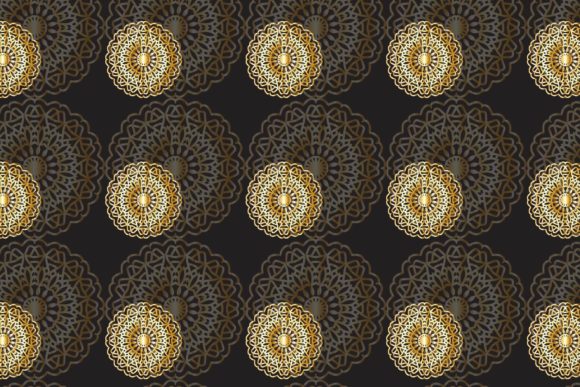
Real-world examples of Mandala Ornament Decorative Drawn Design in action include wall art that incorporates mandala patterns, clothing prints featuring intricate mandala designs, and even digital backgrounds that use mandalas to create a calming atmosphere. These applications demonstrate how versatile and adaptable this design style can be when used appropriately.
In conclusion, Mandala Ornament Decorative Drawn Design offers a compelling combination of artistic value and practicality. By understanding its strengths, limitations, and potential applications, you can determine whether it's the right choice for your next creative endeavor. Whether you're an experienced designer or a beginner exploring new possibilities, mandalas provide a rich source of inspiration that can enhance any project with their timeless beauty and intricate detail.