The Timeless Allure of Brown Line Pattern Gradient Art Deco Design
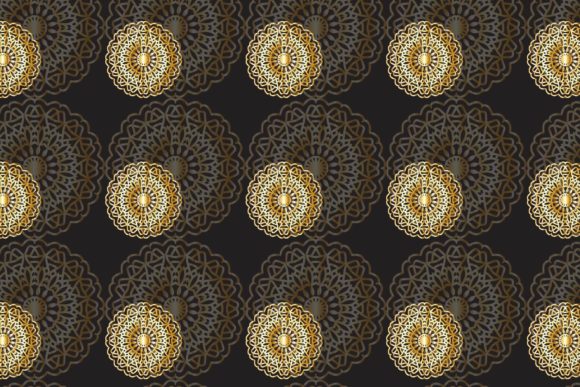
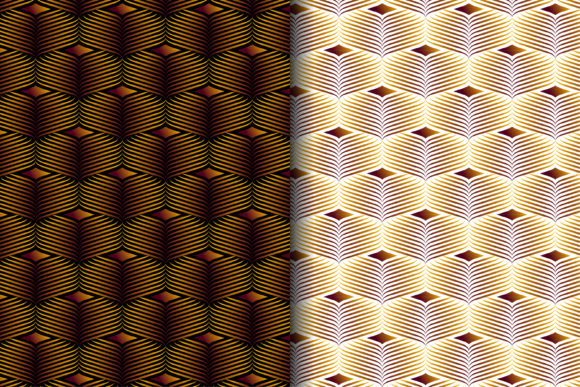
In the ever-evolving landscape of digital design, finding a visual element that bridges the gap between historical elegance and modern minimalism can be a challenge. This is where the Brown Line Pattern Gradient comes into play, offering a sophisticated solution for designers seeking to infuse their projects with a touch of vintage luxury without overwhelming the viewer. Rooted in the geometric precision of the Art Deco era but rendered through a contemporary lens, this pattern utilizes golden gradient lines set against a stark white and black background to create a striking visual contrast.
At its core, this design is more than just a decorative backdrop; it is a versatile asset capable of elevating everything from high-end fashion textiles to premium corporate branding. The interplay of brown tones, golden accents, and clean geometric structures creates a rhythm that feels both familiar and fresh. Whether you are working on a retro-inspired campaign or a minimalist interior design concept, understanding how to leverage this specific vector line design can significantly enhance the perceived value of your final output.
Decoding the Aesthetic: From Vintage Roots to Modern Application
To truly appreciate the utility of this pattern, one must first understand the visual language it speaks. The Art Deco movement of the 1920s and 30s was defined by opulence, symmetry, and bold geometry. However, modern design trends often demand a lighter touch—a move away from heavy ornamentation toward streamlined, functional beauty. This Brown Line Pattern Gradient successfully marries these two worlds.
The design features abstract motifs arranged in a diagonal grid structure. These motifs often include rhombus shapes, diamond patterns, and linear elements that guide the eye across the surface. The use of a golden gradient within the brown lines adds depth and a metallic sheen, mimicking the look of gilded frames or brass fixtures found in vintage interiors. When placed against a monochromatic white and black background, the gold pops with an intensity that suggests luxury and exclusivity.
This specific combination of colors and shapes serves multiple purposes. In a web design context, it acts as a subtle texture that prevents flat backgrounds from feeling boring. In print media, such as packaging or invitations, the golden gradient implies a premium quality product. The "brown" aspect of the pattern provides warmth, preventing the stark black and white from feeling too cold or clinical, while the "golden" gradient adds the necessary sparkle associated with high-end retail.
The Power of Minimalistic Geometric Design
One of the most compelling aspects of this vector line design is its adherence to minimalism. Despite the intricate details of the Art Deco motifs, the overall composition remains uncluttered. This is crucial for modern workflows where content needs to breathe. A busy pattern can compete with text and images, making it difficult for users to focus on the primary message. By utilizing thin, linear elements and negative space effectively, this design ensures that the pattern supports the content rather than distracting from it.
The geometric nature of the pattern also makes it incredibly adaptable. Because the shapes are based on precise mathematical grids, they can be scaled up or down without losing clarity. This scalability is essential for applications ranging from small mobile app icons to large-scale wall murals. The seamless nature of the repeat means that the pattern can tile infinitely, creating a continuous surface that looks professional regardless of the size of the project.
Technical Superiority: Why Vector Matters
When selecting graphic resources for professional projects, the file format is often the deciding factor. This collection stands out because every single graphic is provided as a 100% vector. Unlike raster images (like standard JPEGs) which lose quality when resized, vectors are composed of mathematical paths. This ensures that whether you are printing a massive billboard or designing a tiny business card, the Brown Line Pattern Gradient will remain crisp and sharp.
The inclusion of high-resolution assets at 300dpi further cements its suitability for print production. Print designers know that pixelation is the enemy of quality. With this file, you can trust that the fine details of the golden gradient lines and the delicate brown textures will reproduce perfectly on paper, fabric, or other physical mediums. The ability to edit individual shapes, colors, and text layers means you have total control over the final look. Need to change the gold to silver? Want to adjust the angle of the diagonal lines? The organized layer structure makes these modifications effortless.
- Editable Flexibility: Change colors to match your brand identity instantly.
- Scalability: Resize without any loss of resolution or detail.
- Format Variety: Receive the package in Ai, EPS, JPG, and SVG formats for maximum compatibility.
- Print Readiness: High 300dpi resolution ensures professional print results.
Practical Applications Across Industries
The versatility of this Art Deco pattern extends far beyond simple decoration. Its unique blend of retro charm and modern geometry makes it a go-to choice for various industries looking to convey sophistication.
Fashion and Textile Design
In the world of fashion, texture is key. This pattern translates beautifully onto fabrics. Imagine a luxurious evening gown featuring a subtle Brown Line Pattern Gradient woven into the silk, or a men's tie with a repeating diamond motif that catches the light. The golden gradient simulates the effect of embroidery or metallic thread, adding a tactile dimension to the visual design. It works equally well for home textiles, such as throw pillows, curtains, or upholstery, bringing a Victorian-era elegance into a contemporary living room.
Packaging and Branding
Luxury brands often rely on packaging to communicate value before a customer even opens the box. A cosmetic bottle wrapped in paper featuring this Art Deco pattern immediately signals premium quality. The black and white base offers a clean canvas for typography, while the brown and gold lines add the necessary "wow" factor. It is particularly effective for products related to perfumes, chocolates, jewelry, or high-end spirits, where the vintage aesthetic aligns perfectly with the product's heritage.
Digital and Web Design
While we discussed minimalism earlier, there is a growing trend in web design to incorporate textured backgrounds that evoke a sense of history. Using this pattern as a subtle overlay on landing pages can create a distinct atmosphere. The diagonal lines can guide the user's eye toward call-to-action buttons, while the gradient adds a dynamic feel that static colors cannot achieve. The SVG format allows developers to implement the pattern directly into code, ensuring fast load times and perfect rendering on all screen sizes.
Interior and Wallpaper Design
For interior designers, finding a wallpaper that balances pattern and space is always a balancing act. This design offers the ornate detail of a Victorian wallpaper but with the clean lines of modern art. It is ideal for feature walls in dining rooms, hotel lobbies, or boutique shops. The repetitive nature of the motif ensures that the pattern does not become visually exhausting, allowing the space to feel cohesive and structured.
Considerations for the Creative Professional
Before integrating this asset into your workflow, consider the specific nuances of the color palette. The brown and gold combination is warm and inviting, but it requires careful pairing with other colors. If your project involves bright, neon accents, this vintage pattern might clash. However, if you are working with earth tones, creams, deep blues, or charcoal grays, the Brown Line Pattern Gradient will harmonize beautifully.
Another consideration is the density of the pattern. While the vector files allow you to scale the pattern, sometimes reducing the opacity or blending mode is necessary to ensure text remains legible. In scenarios where the pattern serves as a background, setting it to a multiply or overlay mode can help integrate it seamlessly with photographs or illustrations placed on top.
The availability of multiple file formats is a significant advantage. Having the AI and EPS files allows for deep editing in Adobe Illustrator, while the SVG format is perfect for web implementation. The JPG files provide a quick preview or a ready-to-use image for platforms that do not support vectors. This comprehensive package saves time, eliminating the need to hunt for different versions of the same asset.
Conclusion: Elevating Your Visual Narrative
In a digital world saturated with generic templates, a unique, high-quality pattern can make all the difference. The Brown Line Pattern Gradient Art Deco design offers a timeless solution that transcends fleeting trends. Its ability to combine the structural integrity of geometric design with the warmth of vintage illustration makes it an invaluable tool for creatives.
Whether you are crafting a luxury brand identity, designing a textile collection, or simply looking to add a touch of elegance to a personal project, this resource delivers on all fronts. The high resolution, editable vectors, and seamless repeat capabilities ensure that you have the freedom to adapt the design to your exact specifications. By choosing a pattern that respects both the past and the present, you are not just adding decoration; you are enhancing the narrative of your work with a sense of history and refined taste.
Thank you for considering this asset for your creative endeavors. With its well-organized layers and premium quality, it is designed to streamline your workflow and elevate your results. Should you have any questions regarding the usage or customization of this pattern, feel free to reach out. Here is to creating something beautiful together.