Unlocking Creative Potential with the Flat Semi-Oblique Pontoon Boat Pattern
The world of graphic design and textile printing is constantly evolving, seeking fresh visual languages that bridge the gap between modern minimalism and nautical charm. Among the myriad of vector assets available to creators, the Flat Semi-Oblique Pontoon Boat Pattern stands out as a versatile and dynamic solution for various design challenges. This specific illustration style captures the essence of leisure and transportation through a unique semi-oblique perspective, offering a three-dimensional feel without the clutter of heavy realism.
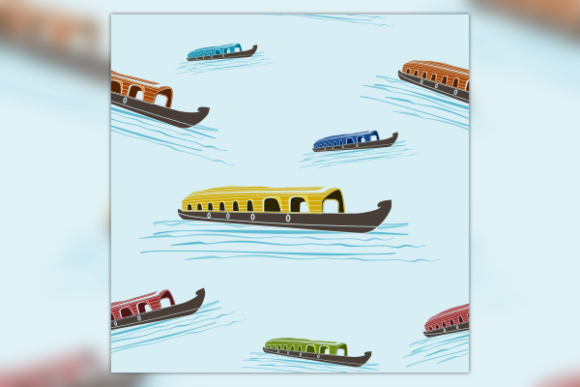
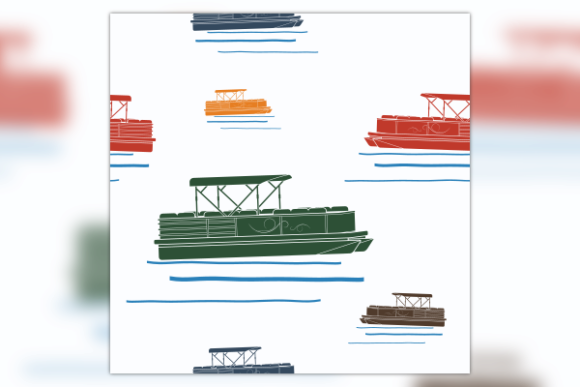
At its core, this pattern transforms a single, editable vector of a semi-oblique side view pontoon boat on calm water into a seamless texture. The result is a repeating motif that can be applied to fabrics, invitations, merchandise, cards, and decorative elements for any project related to transportation or recreation. By utilizing software like Inkscape, designers gain granular control over every aspect of the image, ensuring that the final output meets the highest standards of quality and customization.
Understanding the Visual Language of the Pattern
To appreciate the utility of this asset, one must first understand the specific aesthetic choices embedded within the design. The term "flat" refers to the design philosophy where depth is achieved through color blocking and simple shadows rather than complex gradients or photorealistic textures. This approach ensures that the graphics remain crisp at any size, making them ideal for both small-scale applications like business cards and large-scale uses like fabric prints.
The "semi-oblique" aspect is crucial for the visual impact. Unlike a strictly top-down or profile view, a semi-oblique angle provides a sense of volume and presence. It allows the viewer to see the deck of the boat, the side of the hull, and the surrounding water simultaneously. When paired with the depiction of calm water, the overall mood becomes serene and inviting. This combination evokes feelings of relaxation, summer vacations, and the joy of being on the lake, which are powerful emotional triggers in marketing and personal design projects.
The use of various colors within the pattern adds another layer of flexibility. A monochromatic scheme might suit a corporate invitation, while a vibrant, multi-colored version could be perfect for children's swimwear or summer festival posters. The ability to manipulate these colors directly within the source file means that the pattern can be adapted to match any brand palette or thematic requirement without losing its structural integrity.
Technical Advantages of Vector-Based Design
One of the most significant benefits of working with this specific asset is its format. The inclusion of EPS, PDF, and high-resolution PNG files in the attached ZIP package ensures compatibility across a wide range of industries. However, the true power lies in the fact that the primary files are editable SVG vectors. This distinction separates professional-grade resources from standard raster images that lose quality when resized.
Using Inkscape software for editing opens up a world of possibilities for the user. As an open-source vector editor, Inkscape provides robust tools for manipulating paths, colors, and shapes. Designers can easily separate individual components of the boat pattern, such as isolating the hull from the water or changing the color of the seats. This level of granularity allows for the creation of custom variations that would be impossible with pre-rasterized images.
The scalability of vector graphics is particularly important for print-on-demand businesses. Whether creating a pattern for a t-shirt that requires high resolution at 300 DPI or a background for a website that needs to scale fluidly across different screen sizes, the vector format guarantees sharpness. Furthermore, the seamless nature of the pattern means that it can be tiled infinitely without visible breaks, a critical feature for wrapping around cylindrical objects or covering large surface areas of fabric.
Practical Applications Across Industries
The versatility of the Flat Semi-Oblique Pontoon Boat Pattern makes it applicable to a diverse array of sectors. For professionals in the fashion industry, this pattern offers a ready-made solution for creating summer collections. Textile designers can apply the seamless pattern to cotton, linen, or synthetic blends to produce fabrics that capture the spirit of boating culture. The flat style works exceptionally well with screen printing techniques, ensuring that the colors remain vibrant and the lines stay clean after multiple washes.
In the realm of event planning and stationery, the pattern serves as an excellent decorative element. Wedding invitations with a lakeside theme, birthday party cards for summer celebrations, or graduation announcements for those moving near a body of water can all benefit from this imagery. The semi-oblique view adds a touch of sophistication that elevates the design beyond simple clip art, giving the printed materials a bespoke feel.
Merchandising opportunities are equally abundant. Business owners looking to create branded merchandise for marinas, boat rental companies, or outdoor recreation stores will find this pattern highly effective. It can be used to decorate tote bags, phone cases, notebooks, and even vehicle decals. The pattern acts as a visual shorthand for the lifestyle associated with pontoon boats, instantly communicating the intended vibe to the consumer.
Educators and researchers focusing on maritime culture or design history might also utilize this asset. It can serve as a case study in how perspective and color theory are combined in modern vector art. Students learning about digital illustration can use the provided files to practice editing techniques, experimenting with how changes in hue or composition affect the overall mood of the artwork.
Workflow Optimization for Creators
Integrating this pattern into a creative workflow is straightforward but requires a strategic approach to maximize efficiency. The process begins with importing the SVG file into Inkscape. Once opened, the designer should unlock all layers and groupings to access the individual elements. This step is essential for understanding the structure of the pattern and identifying which parts need modification.
For those creating backgrounds for web or app design, the next step involves adjusting the canvas size to fit the specific layout requirements. Because the pattern is seamless, users can simply extend the canvas dimensions, and the pattern will repeat naturally. If a specific color variation is needed, the fill attributes of the vector paths can be changed globally using the "Edit Styles" tool, allowing for rapid prototyping of different color schemes.
When preparing files for print, exporting to PDF or high-resolution PNG is the final stage. It is important to ensure that the export settings maintain the correct color mode (CMYK for print, RGB for digital) and resolution. The inclusion of EPS files in the package further facilitates this process, as EPS is widely supported by professional printing presses and desktop publishing software like Adobe Illustrator or CorelDRAW. This cross-platform compatibility ensures that the asset remains useful regardless of the software ecosystem a team member prefers.
Considerations for Effective Implementation
While the asset is highly flexible, successful implementation requires attention to context and balance. The pattern features a semi-oblique view on calm water, which implies a sense of stillness and order. Using this pattern in a chaotic or aggressive design context might create a dissonance that confuses the viewer. Therefore, it is best suited for themes centered around leisure, travel, family, and relaxation.
Another consideration is the density of the pattern. Depending on the application, the spacing between the repeated boat motifs may need adjustment. For a subtle background texture, increasing the distance between instances creates a more airy and elegant look. Conversely, for a bold, statement-making fabric, reducing the spacing can create a denser, more energetic visual field. Inkscape makes it easy to adjust the pattern tile size to achieve these different effects.
Color selection is also a critical factor. While the original file includes various colors, designers should consider the psychological impact of their choices. Cool blues and greens reinforce the aquatic theme, while warm yellows and oranges can evoke the feeling of a sunset on the water. Balancing these colors against the white space of the background is key to maintaining readability, especially if text is to be overlaid on the design.
The Future of Nautical Themed Design
As consumers increasingly seek personalized and authentic experiences, the demand for unique, customizable patterns continues to rise. The Flat Semi-Oblique Pontoon Boat Pattern aligns perfectly with this trend by offering a modern take on a classic subject. It moves away from the kitschy, cartoonish depictions often found in mass-market goods and embraces a cleaner, more contemporary aesthetic.
This shift reflects broader trends in graphic design where flat design and geometric simplicity dominate. By combining these trends with the timeless appeal of boating, the pattern remains relevant and adaptable. It proves that even traditional subjects can be reimagined through modern digital tools to create fresh, engaging visuals.
Whether you are a hobbyist looking to create a custom gift, a business owner expanding your product line, or a professional designer seeking a new tool for your toolkit, this asset offers a robust foundation. The ability to edit the vector in Inkscape ensures that the final product is not just a copy of a stock image, but a tailored piece of art that speaks directly to your specific needs. As the market for recreational and transportation-related designs grows, having a high-quality, versatile resource like this at your disposal provides a distinct competitive advantage.
Ultimately, the value of the Flat Semi-Oblique Pontoon Boat Pattern lies in its adaptability. It is not merely an image; it is a building block for creativity. From the initial edit in Inkscape to the final print on fabric or paper, the journey of this asset demonstrates the power of vector graphics to transform ideas into tangible reality. By leveraging the included formats and the inherent flexibility of the design, creators can produce work that is both visually stunning and functionally superior.