The Artistic Evolution of the Beauty Bug Vector Logo in Modern Design
In the expansive landscape of digital and print media, few elements capture attention as effectively as a well-crafted illustration. The concept of a Beauty Bug Vector Logo represents a fascinating intersection where biological accuracy meets aesthetic perfection. Whether you are a graphic designer seeking a fresh element for a brand identity or an educator looking to explain the intricacies of insect biology through engaging visuals, the versatility of vector art allows for endless possibilities. This deep dive explores how these colorful, isolated designs serve as powerful tools across various industries, from high-fashion campaigns to educational textbooks.
The Intersection of Nature and Digital Precision
Nature has always been the ultimate muse for artists and designers. When we speak of nature, wildlife, and insect life, we often think of the chaotic beauty found in a wild garden. However, translating this organic chaos into a structured design requires precision. This is where vector graphics shine. Unlike raster images that pixelate when enlarged, a vector-based illustration maintains its crisp edges regardless of scale. This quality is essential for a Beauty Bug Vector Logo, which must look equally stunning on a business card, a billboard, or a mobile screen.
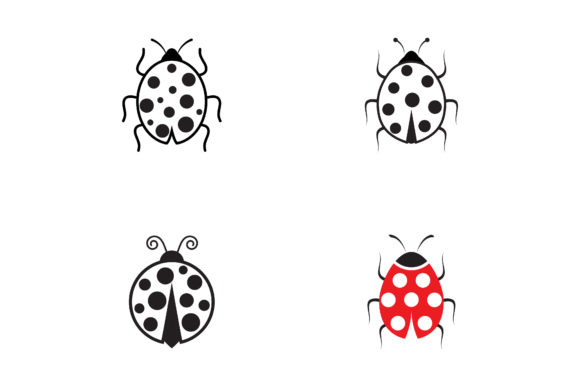
The process involves capturing the essence of creatures like the ladybug, butterfly, or beetle and refining them into clean lines and solid colors. The result is often a piece of art that feels both vintage and modern. By isolating the subject against a white background, designers ensure that the graphic remains distinct and adaptable. This isolation technique allows the pattern to be used as a print on fabric without worrying about complex backgrounds clashing with the texture of the material.
Visual Characteristics and Aesthetic Appeal
What makes a bug illustration truly "beautiful"? It often comes down to the balance between realism and stylization. A cute cartoon version of a moth might appeal to children's book publishers, while a detailed biology-focused drawing suits academic journals. The Beauty Bug Vector Logo category encompasses a wide spectrum of styles, including retro aesthetics that evoke nostalgia and abstract interpretations that challenge the viewer's perception.
- Color Palette: The use of bright and colorful hues brings the wing patterns of insects to life. Think of the iridescent blues of a beetle or the fiery reds of a flower-associated ladybug. These colors are not just decorative; they convey emotion and energy.
- Line Work: Clean, smooth curves define the body shape, creating a sense of movement even in a static image. The black outlines provide contrast, making the design pop against any background.
- Decorative Elements: Many designs incorporate flowers, leaves, or abstract shapes to create a bouquet effect. This transforms a simple insect into a central icon of a larger collection.
This attention to detail ensures that the final output is not merely a picture but a decoration that elevates the overall composition. Whether it is a summer theme evoking warm days in the garden or a spring collection celebrating renewal, the visual language of the bug is universally understood.
Practical Applications Across Industries
The utility of a Beauty Bug Vector Logo extends far beyond simple decoration. Professionals in various fields utilize these assets to communicate complex ideas quickly and effectively. Let us examine how different sectors leverage this unique form of animal imagery.
Fashion and Textile Design
In the world of fashion, trends often cycle back to nature-inspired motifs. Designers frequently turn to vector sets to create repeatable patterns for clothing lines. A cartoon style ladybug set can create a playful, youthful collection, while a more vintage beetle illustration might suit a retro-themed boutique. The ability to scale the graphic means the same asset can be used for a small logo on a button or a large-scale print on a dress. The isolated nature of the design ensures it integrates seamlessly with various fabric textures and colors.
Educational Materials and Publishing
For educators and researchers, clarity is paramount. A beautiful yet accurate illustration of an insect helps students understand anatomical features without the distraction of a cluttered real-world photograph. The Beauty Bug Vector Logo concept here serves as a bridge between scientific data and visual learning. Teachers can use these elements to create worksheets, posters, and interactive presentations. The clean lines make it easy to label parts of the insect, such as the wing structure or antennae, enhancing the educational value of the material.
Branding and Marketing
Business owners looking to establish a connection with eco-conscious consumers often choose insect imagery to symbolize transformation, hard work, or natural harmony. A logo featuring a stylized butterfly can represent a company focused on growth and change. Similarly, a bug icon might be used by a tech startup to suggest agility and speed. The key is to select a style that matches the brand's voice—whether it is happy and bright or sophisticated and abstract. The vector format ensures that the brand identity remains consistent across all marketing channels, from social media avatars to large event banners.
Technical Considerations for Creators
While the artistic potential is vast, creators must also consider the technical aspects of working with vector graphics. When sourcing or creating a Beauty Bug Vector Logo, file integrity is crucial. Vectors rely on mathematical equations to define shapes, meaning they must be constructed using specific software like Adobe Illustrator or Inkscape. This ensures that the design remains editable and scalable.
One common pitfall is the overuse of effects that cannot be converted to vectors. True vector art relies on paths and anchor points rather than pixels. For instance, a gradient mesh can be used to create realistic shading on a moth's wing, but it must be managed carefully to avoid bloating the file size. Additionally, the color mode should be appropriate for the intended use. CMYK is standard for print applications like fabric and brochures, while RGB is necessary for digital displays.
Another consideration is the complexity of the set. A collection of bugs should maintain a consistent line weight and style. Mixing a highly detailed realistic beetle with a simplistic cartoon fly can disrupt the visual flow of a project. Consistency in the style creates a cohesive look that is professional and polished.
Trends Shaping the Future of Insect Illustration
The world of graphic design is ever-evolving, and insect illustrations are no exception. Currently, there is a strong trend towards combining traditional vintage aesthetics with modern minimalist principles. This fusion results in abstract representations that hint at the form of the insect without detailing every leg or antenna. These simplified forms are perfect for icon sets and user interface design.
Furthermore, the rise of sustainable fashion has sparked interest in natural themes. Consumers are drawn to brands that highlight their environmental commitment, and wildlife imagery is a powerful way to signal this. A beautiful flower and butterfly motif can instantly communicate a message of ecological responsibility. As technology advances, we may also see more dynamic vector animations, bringing static drawing elements to life with subtle movements that mimic the fluttering of a wing.
There is also a growing appreciation for diverse ecosystems. While the ladybug and butterfly remain popular, designers are increasingly incorporating less common insects like the moth or various species of beetles into their work. This diversity adds depth to the collection and educates the audience about the broader spectrum of wild life.
Building a Cohesive Visual Identity
When integrating a Beauty Bug Vector Logo into a larger project, it is vital to view the insect not as an isolated object but as part of a holistic system. The choice of background, typography, and surrounding decorative elements plays a significant role in the final impact. A bright yellow background might make a black beetle stand out dramatically, whereas a soft pastel palette could enhance the cute factor of a ladybug.
Consider the context of usage. If the design is for a summer festival, the colors should be vibrant and energetic. If it is for a vintage botanical guide, the tones should be muted and earthy. The art lies in adapting the core element to fit the mood of the project. By treating the bug as a versatile graphic tool rather than a fixed image, creators can unlock a wide range of creative possibilities.
Ultimately, the enduring appeal of insect imagery in design stems from our innate connection to the natural world. From the intricate patterns on a wing to the delicate structure of a bouquet of flowers, nature offers an infinite library of inspiration. The Beauty Bug Vector Logo serves as a testament to this relationship, bridging the gap between scientific observation and artistic expression. Whether used for business, education, or personal projects, these illustrations remind us of the beauty found in the smallest details of our environment.
As we move forward, the demand for high-quality, adaptable vector art will only grow. Professionals who master the creation and application of these designs will find themselves at the forefront of a visually rich future. By understanding the nuances of style, application, and technical execution, one can harness the power of the insect to create designs that are not only aesthetically pleasing but also deeply meaningful and effective.