Retro Comic Background Triangle Curve: A Practical Evaluation for Modern Designers
In the crowded landscape of digital graphic resources, finding assets that balance nostalgic aesthetics with modern technical requirements can be challenging. The Retro Comic Background Triangle Curve collection addresses this specific gap by offering a set of vector illustrations that merge classic comic book tropes with contemporary design flexibility. This resource is not merely a decorative backdrop; it is a functional toolkit designed for professionals who need to inject energy and personality into their projects without compromising on file integrity or editability.
Defining the Retro Comic Background Triangle Curve
The core concept behind this asset set revolves around the integration of geometric precision with organic, hand-drawn chaos typical of mid-century pop art. The "Triangle Curve" feature specifically refers to the dynamic composition elements used to frame content, guide the viewer's eye, and create depth. Unlike static backgrounds that simply sit behind text, these elements actively participate in the layout structure.
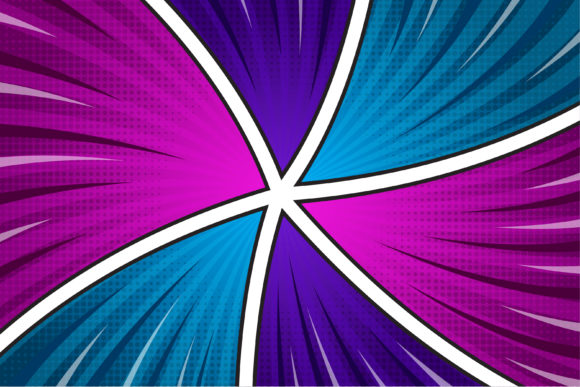
Visually, the collection utilizes a distinct color palette dominated by gradients of pink, purple, and blue. These colors are applied using halftone patterns, a technique originally used in print comics to simulate shading through dots. In a digital context, this creates a textured, tactile feel that mimics the look of aged paper while maintaining the crispness required for high-resolution screens. The result is a style that feels familiar to anyone who grew up reading superhero comics but remains fresh enough for modern branding and marketing materials.
Technical Specifications and File Integrity
For designers working in professional environments, the quality of the source files is often more critical than the visual output itself. The Retro Comic Background Triangle Curve set distinguishes itself through its commitment to vector-based construction. Every graphic within the package is 100% vector, meaning that scaling the images from a business card size to a billboard dimension will not result in pixelation or loss of detail.
The inclusion of multiple file formats—specifically AI, EPS, JPG, and SVG—ensures compatibility across various software ecosystems. Professionals using Adobe Illustrator can take full advantage of the native .AI files, which preserve layers and editing capabilities. Those requiring web-ready assets can utilize the SVG format for scalable icons or background patterns, while the high-resolution JPGs serve as quick previews or templates for raster-based workflows like Photoshop.
A critical technical strength is the resolution provided. At 300 DPI, these assets are print-ready, making them suitable for physical merchandise such as t-shirts, posters, and packaging. The vector nature of the graphics allows for infinite scalability, ensuring that the halftone dots remain sharp regardless of the output medium. This eliminates the common frustration of having to purchase separate versions of an asset for different use cases.
Design Flexibility and Workflow Integration
The true value of this resource lies in its editability. The files are described as well-organized, containing editable text, shapes, and colors. In practice, this means a designer is not locked into the default aesthetic. If a client requires a variation of the retro theme but needs the pink gradient replaced with a corporate teal, the change can be made instantly within the vector software.
The triangle curve features offer significant structural utility. They act as natural frames or borders that can contain headlines, product images, or promotional offers. Because these shapes are vector paths, they can be manipulated, stretched, rotated, or combined to fit unique layout requirements. This flexibility supports a wide range of creative directions, from chaotic, action-packed layouts to cleaner, more minimalist designs where the curves serve as subtle dividers.
The ability to adjust transparency and layering further enhances usability. Designers can overlay these backgrounds onto photographs or other illustrations to create collages, a staple of pop art styles. The consistent organization of the layers reduces the time spent untangling complex groups, allowing for a smoother workflow where the focus remains on creativity rather than file management.
Practical Applications Across Industries
While the aesthetic is rooted in comic books, the applications for the Retro Comic Background Triangle Curve extend far beyond publishing. Marketers and entrepreneurs can leverage this style to capture attention in a saturated social media environment. The bold colors and dynamic lines naturally draw the eye, making them ideal for:
- Social Media Campaigns: Creating engaging story backgrounds or post headers that stand out in a feed dominated by flat, minimalistic designs.
- Event Promotion: Designing flyers and posters for concerts, festivals, or pop-up shops where a fun, energetic vibe is essential.
- Educational Materials: Teachers and educators can use these templates to make lesson plans, worksheets, or presentations more visually stimulating for students.
- Branding and Packaging: Small businesses looking to differentiate their products can use the halftone textures and vibrant gradients to create packaging that feels artisanal yet modern.
The versatility also extends to scrapbooking and digital journaling. Hobbyists and content creators can use the blank pages and decorative elements to document personal projects or create themed digital albums. The "fun" factor inherent in the design helps break the monotony of standard corporate templates, adding a human touch to digital communication.
Critical Analysis: Strengths and Considerations
Evaluating the Retro Comic Background Triangle Curve objectively reveals a strong product with clear strengths. The primary advantage is the combination of high-quality vector graphics with a cohesive, trendy aesthetic. The use of gradients and halftones avoids the dated look that sometimes plagues retro-themed assets, keeping the collection relevant for current design trends.
However, potential users should consider the specific stylistic constraints. The reliance on pink, purple, and blue gradients means the set is best suited for projects that align with this color psychology. While the colors are editable, the overall mood is inherently playful and energetic. This makes the resource less suitable for serious financial reports, legal documents, or medical branding where a conservative tone is required.
Another consideration is the learning curve for those unfamiliar with vector editing. While the files are organized, manipulating complex vector shapes and understanding layer hierarchies requires a baseline proficiency in tools like Illustrator or Affinity Designer. Beginners might find the raw files overwhelming compared to pre-made JPEG templates, though the long-term benefit of owning editable vectors outweighs this initial hurdle.
Conclusion: Who Should Use This Resource?
The Retro Comic Background Triangle Curve is a robust addition to any graphic resource library. It successfully bridges the gap between nostalgic charm and modern technical standards. For professionals, freelancers, and small business owners who need high-quality, scalable assets that can be customized to fit specific brand guidelines, this collection offers excellent value.
It is particularly recommended for projects that require a burst of creativity, visual storytelling, or a connection to pop culture. Whether creating a comic book cover, a marketing poster, or a digital blog header, the combination of editable vectors, high resolution, and thoughtful design ensures that the final output looks professional and polished. By providing a versatile foundation, this set empowers creators to focus on their message rather than struggling with low-quality graphics.