Floral Vector Illustration Hand Drawn: A Comprehensive Evaluation
In the realm of digital design, finding imagery that balances organic charm with technical precision is a frequent challenge. Floral vector illustration hand drawn styles have emerged as a popular solution for designers seeking the warmth of traditional art combined with the scalability of modern graphics. This category encompasses detailed sketches of flowers, plants, and leaves that are converted into vector formats. These assets often feature decorative elements like curly grass, isolated botanical illustrations, and intricate outlines set against transparent or white backgrounds.
This article evaluates the utility, benefits, and limitations of using hand-drawn floral vectors. It aims to help designers, marketers, and content creators determine if this specific aesthetic aligns with their project requirements.
Understanding the Medium
A floral vector illustration hand drawn begins as a sketch created by an artist using physical tools such as pencils, ink pens, or watercolors. Once the artwork is finalized, it undergoes a digitization process where the lines and shapes are traced to create mathematical paths rather than pixel grids. This conversion results in a file format (typically SVG, EPS, or AI) that can be resized infinitely without losing quality.
The specific style often includes:
- Botanical Illustrations: Accurate, scientific-looking depictions of flora.
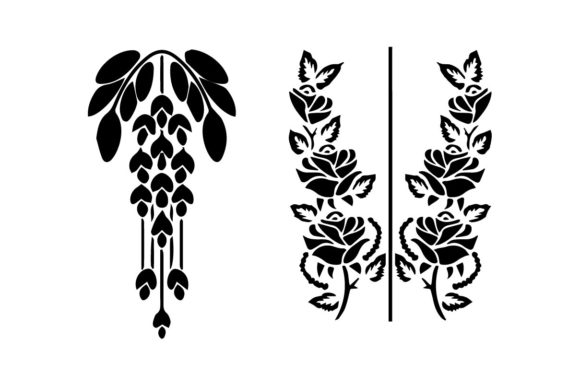
- Decorative Floral Pictures: Artistic arrangements designed primarily for aesthetics rather than accuracy.
- Sketches and Outlines: Minimalist representations focusing on line work, often with transparent backgrounds.
- Wreaths and Frames: Circular or bordered compositions, such as cute doodle floral wreath frames, used to enclose text or other content.
The "hand-drawn" aspect is crucial; it implies slight irregularities in line weight and curvature that mimic human touch, distinguishing these assets from rigid, geometric computer-generated graphics.
Why Choose Hand-Drawn Floral Vectors?
Designers frequently select this style for several strategic reasons. The primary advantage lies in the aesthetic versatility. Unlike photorealistic images which can feel cold or corporate, hand-drawn florals evoke a sense of approachability, elegance, and creativity.
Scalability and Adaptability
Because these illustrations are vectors, they offer distinct practical advantages over raster images (like JPEGs or PNGs). A designer can scale a floral vector illustration hand drawn from a small favicon to a massive billboard without any loss of sharpness. Furthermore, because the elements are often isolated on white or transparent backgrounds, they can be easily manipulated within graphic design software. Users can change colors, rotate components, or layer them over different textures without affecting the integrity of the image.
Unique Brand Identity
In a market saturated with stock photography, custom or high-quality vector sets provide a unique visual identity. A set featuring curly grass and flowers on a white isolated background allows for clean integration into various layouts. Whether for wedding invitations, packaging for organic products, or website headers, these elements add a layer of sophistication that generic clipart cannot match.
Benefits and Tradeoffs
While the appeal of hand-drawn vectors is strong, evaluating them requires a balanced view of their capabilities and constraints.
Key Benefits
- Resolution Independence: Perfect for print and digital media alike.
- File Size Efficiency: Vector files are often smaller than high-resolution raster images, leading to faster page load times.
- Editability: Individual strokes, leaves, or petals can be moved or recolored independently.
- Clean Aesthetic: Isolated elements on white or transparent backgrounds ensure no awkward cropping or background removal is needed.
Potential Tradeoffs
The most significant consideration is the level of detail. While hand-drawn vectors capture texture through line work, they lack the photographic depth of real flowers. If a project requires hyper-realism, such as a food advertisement needing to show dew drops and complex lighting, a vector may fall short. Additionally, complex hand-drawn sketches can sometimes result in larger file sizes if the path count is extremely high, potentially impacting performance in web environments if not optimized correctly.
Situations Where This Style is a Strong Fit
There are specific scenarios where a floral vector illustration hand drawn is the optimal choice.
- Branding and Logo Design: Brands aiming for a boutique, artisanal, or eco-friendly image benefit greatly from the organic feel of botanical sketches. A logo incorporating a vector illustration of hand drawn wreaths suggests craftsmanship and care.
- Editorial and Print Media: Magazines, books, and brochures often utilize these illustrations for section dividers, borders, and decorative accents. The ability to scale them to fit specific column widths without blurring is essential here.
- Web and App UI: For user interfaces requiring soft, welcoming visuals, cute doodle floral wreath frame sets can serve as engaging call-to-action buttons or profile picture frames.
- Event Invitations: Weddings, baby showers, and garden parties rely heavily on floral motifs. Hand-drawn vectors allow for customization of colors to match event themes perfectly.
When to Consider Alternatives
Despite their versatility, hand-drawn vectors are not a universal solution. Designers should consider alternatives in the following situations.
Need for Photorealism
If the goal is to showcase the intricate details of a specific flower species for educational purposes, a high-resolution photograph is superior. Vectors simplify forms; they do not replicate the chaotic complexity of nature's lighting and shadowing as effectively as photography.
Abstract or Modern Minimalism
Projects aiming for a futuristic, tech-oriented, or strictly geometric look might find the organic curves of hand-drawn florals too distracting or dated. In these cases, abstract geometric patterns or solid color icons would be more appropriate.
Animation Requirements
While vectors are excellent for animation, complex hand-drawn sketches with many anchor points can be difficult to animate smoothly without specialized software. Simple, clean line art is better suited for motion graphics than highly detailed, textured sketches.
Practical Decision-Making Insights
Selecting the right asset involves more than just aesthetic preference; it requires assessing technical compatibility and workflow efficiency.
Evaluating Quality
When sourcing a floral set, inspect the source file. A true hand-drawn vector will have smooth curves and logical layer organization. Poorly traced vectors often appear jagged or contain unnecessary anchor points that make editing difficult. Ensure the file format matches your needs (e.g., SVG for web, EPS for print).
Checking Licensing
Always verify the usage rights. Some assets labeled as free for personal use may require a commercial license for business projects. Understanding the licensing terms prevents legal complications later.
Consistency
If you choose to use multiple elements, ensure they come from the same series. Mixing a sketch of flowers with a different artistic style can disrupt the visual harmony of a design. Look for complete sets that include matching leaves, stems, and background elements to maintain consistency.
Conclusion
The decision to use a floral vector illustration hand drawn ultimately depends on the desired emotional tone and technical demands of the project. For designs requiring a blend of organic beauty and technical flexibility, these assets are invaluable. They offer a timeless aesthetic that works well across print and digital platforms, provided the need for realism does not supersede the need for stylized representation.
By understanding the strengths of isolated botanical illustrations and the limitations of the medium, designers can make informed choices that enhance their creative output. Whether selecting a simple outline for a border or a complex wreath for a logo, the right hand-drawn vector can elevate a design from functional to memorable.