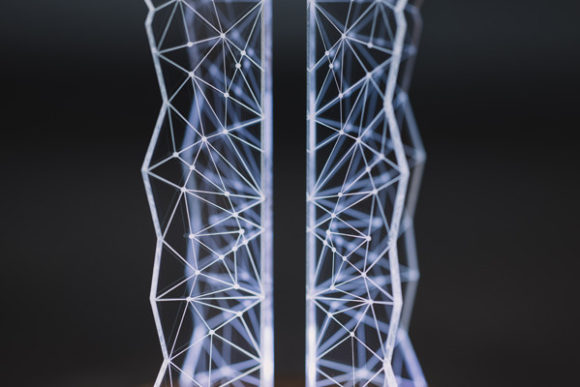
Decorative Handmade Lamp Closeup
When you zoom in on a decorative handmade lamp closeup, the conversation shifts from simple illumination to a study of texture, intent, and craft. It is no longer just about the light source; it becomes an examination of how human hands have manipulated materials to create something that serves both function and aesthetic purpose. This perspective reveals the unique character that mass-produced lighting fixtures often lack, offering a window into the maker's process through the intricate details of joints, finishes, and material choices.
The value of this specific viewpoint lies in its ability to tell a story without words. A macro shot of a hand-woven rattan shade highlights the tension of each strand, while a close inspection of a ceramic base reveals the subtle fingerprints left during the glazing process. For creators and designers, understanding these nuances is essential for developing products that resonate with consumers who are increasingly seeking authenticity. The tactile quality captured in a detailed view transforms a commodity into a piece of art, elevating the perceived value of the object significantly.
The Art of Detail in Lighting Design
In the realm of interior design, the devil is indeed in the details. A decorative handmade lamp closeup allows us to appreciate the complexity behind what might appear as a simple silhouette from across the room. Consider the difference between a machine-cut metal frame and one that has been forged and hammered by an artisan. The former offers geometric perfection, but the latter possesses a dynamic rhythm that catches the eye and invites touch. These imperfections are not flaws; they are signatures of human involvement.
For entrepreneurs and small business owners, leveraging this visual language is crucial for marketing. High-resolution imagery that focuses on the craftsmanship can justify premium pricing and build a brand narrative centered on quality. When a customer sees the rough-hewn edges of reclaimed wood or the delicate wire wrapping of a glass pendant, they connect emotionally with the product. This connection drives engagement and fosters loyalty, turning a casual browser into a dedicated advocate for the brand.
- Material Contrast: Highlighting how different textures interact, such as matte glass against polished brass, adds depth to the visual presentation.
- Structural Integrity: Showing the joinery or assembly methods assures buyers of durability and thoughtful construction.
- Surface Finish: Close-ups reveal the quality of paint, varnish, or patina, which are key indicators of care in production.
Creative Applications Across Industries
The utility of focusing on the intricate details of handmade lamps extends far beyond the lighting industry itself. Marketers, bloggers, and content creators can utilize these visuals to inspire a wide range of projects. In digital publishing, a series of high-quality closeups can serve as the backbone of a feature article on sustainable living or modern bohemian aesthetics. By breaking down the components of a lamp, writers can explore broader themes like upcycling, traditional techniques, or the psychology of color in home environments.
Educators and hobbyists also find immense value in this approach. When teaching design principles, analyzing a decorative handmade lamp closeup provides a concrete example of balance, proportion, and texture. Students can learn how a single element, like a twisted copper wire, changes the entire mood of a fixture. This method encourages critical thinking and observation skills, allowing learners to deconstruct complex objects into manageable parts before attempting their own creations.
Freelancers and graphic designers can adapt these images for various formats, from social media stories to print advertisements. The versatility of the subject matter means it fits seamlessly into contexts ranging from luxury real estate listings to DIY workshop tutorials. The key is to maintain consistency in the visual style while ensuring the focus remains on the unique attributes of the handmade item. Whether it is a rustic wooden table lamp or a contemporary abstract sculpture made of recycled materials, the principle of highlighting craftsmanship remains constant.
Adapting for Different Audiences and Platforms
To maximize impact, the presentation of these details must be tailored to the specific audience. A professional designer might need to see the precision of a laser-cut pattern or the thickness of a cast iron base to evaluate its suitability for a commercial project. In contrast, a hobbyist looking for inspiration might be more interested in the creative process, such as how a piece of clay was shaped or how fabric was dyed before being applied to a shade.
Social media platforms offer unique opportunities to showcase these elements. Short-form video content can capture the movement of light filtering through a textured surface, adding a dynamic layer to the static image. Meanwhile, long-form blog posts can delve into the history of the technique used, providing context and depth that enhances the reader's appreciation. The goal is to meet the user where they are, providing the right level of information and visual stimulation for their specific needs.
- Curated Collections: Group items by material or style to help users find inspiration for specific design challenges.
- Process Documentation: Share step-by-step photos that show the evolution from raw material to finished product, building trust and transparency.
- Contextual Styling: Place the lamp in a realistic setting to demonstrate scale and functionality alongside the decorative details.
Maintaining Clarity and Originality
While the visual appeal of a decorative handmade lamp closeup is undeniable, it is vital to ensure that the final output remains clear and effective. Over-stylization or excessive editing can obscure the very qualities that make the object special. Authenticity is the currency of the handmade market, and any attempt to mask the true nature of the craft can backfire. Users should strive to present the work as it truly is, celebrating its unique characteristics rather than trying to force it into a generic mold.
Consistency is another pillar of success. Whether creating a portfolio, a product line, or a content series, maintaining a cohesive visual identity helps build recognition. This does not mean every image must look identical, but rather that there is a unified approach to lighting, composition, and storytelling. By adhering to these principles, creators can produce content that feels organized and professional, making it easier for audiences to engage with the material.
Ultimately, the power of the handmade lamp lies in its ability to bridge the gap between the maker and the viewer. By focusing on the closeup details, we invite people to slow down and notice the effort, skill, and creativity involved in bringing light into our lives. This mindful approach not only enhances the appreciation of the object but also inspires others to seek out similar experiences in their own creative pursuits. Whether you are designing a new collection, writing a review, or simply decorating your home, paying attention to these details makes all the difference.